A new policy brief, launched by the Nature-based Solutions Initiative at the University of Oxford in collaboration with the OACPS-EC Intra-ACP Support Programme for Small Island Developing States (SIDS), highlights the critical role that nature-based solutions (NbS) can play in helping island nations address the growing impacts of climate change while simultaneously supporting biodiversity and local livelihoods.
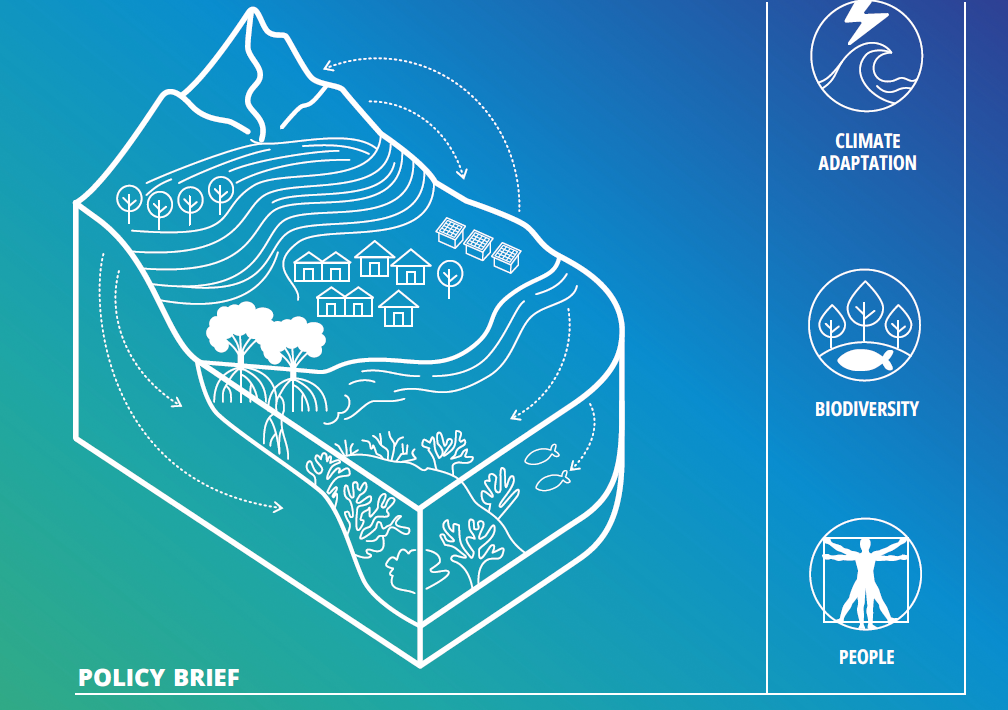
Titled “Nature-based Solutions in Small Island Developing States Can Generate Triple Wins for Climate Adaptation, Biodiversity and People,” the publication synthesizes evidence from a systematic review of 49 studies covering 53 nature-based interventions across 26 SIDS worldwide. The findings demonstrate that well-designed NbS can reduce climate risks, enhance ecosystem health, and deliver significant social and economic benefits for communities.
The brief arrives at a pivotal moment for SIDS, which contribute only a small fraction of global greenhouse gas emissions yet face some of the world's most severe climate-related threats, including sea-level rise, coastal erosion, extreme weather events, water insecurity, and biodiversity loss.
According to the publication, nearly three-quarters of reviewed interventions reported positive climate adaptation outcomes. Examples include mangrove restoration projects that help reduce storm impacts and coastal erosion, marine protected areas that support sustainable livelihoods, and ecosystem restoration initiatives that strengthen both biodiversity and community resilience.
A central message of the report is that nature-based solutions can generate what the authors describe as "triple wins" by delivering benefits for climate adaptation, biodiversity conservation, and people at the same time. Evidence reviewed in the study points to improvements in household incomes, livelihood diversification, ecosystem recovery, conservation outcomes, and enhanced resilience to climate shocks.
The publication also identifies important gaps that require greater attention. These include limited evidence on coastal and marine nature-based solutions, insufficient economic assessments, low levels of private-sector engagement, and a need to strengthen equity, justice, and local leadership within project design and implementation. More than half of all SIDS were found to be absent from the peer-reviewed evidence base, underscoring the need for greater support for locally led research and knowledge sharing.
Importantly, the brief positions nature-based solutions as a practical implementation strategy for the Antigua and Barbuda Agenda for SIDS (ABAS) 2024-2034, demonstrating how ecosystem-based approaches can support the agenda's objectives on resilience, sustainable development, and climate adaptation.
The policy brief was authored by Zoe Brown of the Nature-based Solutions Initiative, University of Oxford, and is based on the systematic review published in Frontiers in Environmental Science. It was co-published by the Nature-based Solutions Initiative and the OACPS-EC Intra-ACP Support Programme for SIDS.
As SIDS continue to confront escalating climate pressures, the publication calls for stronger evidence systems, increased investment, inclusive governance, and greater support for locally led adaptation efforts. Its message is clear: protecting and restoring nature is not only an environmental imperative, but also a powerful strategy for building resilient and prosperous island communities.