The Pacific region is advancing efforts to scale up nature-based solutions (NbS), with the launch of the Pacific Nature-based Solutions Resource Hub and renewed commitments from Pacific governments to move from policy development to on-the-ground implementation.
Developed under the umbrella of the Secretariat of the Pacific Regional Environment Programme (SPREP), the hub is designed to support Pacific Island countries and territories in using nature-based solutions to address climate change, biodiversity loss, disaster risk, and sustainable development challenges. It serves as a regional knowledge-sharing platform, providing access to case studies, policy guidance, tools, learning resources, and practitioner networks focused on ecosystem-based approaches to climate resilience and sustainable development.
The hub, available at https://pacificnbs.sprep.org/, was developed through the Promoting Pacific Islands Nature-based Solutions (PPIN) project and aims to strengthen collaboration across Pacific Island countries while supporting the use of mangrove restoration, coral reef conservation, agroforestry, watershed management, and other ecosystem-based interventions. It also places strong emphasis on Indigenous knowledge and community stewardship as foundations for resilience.
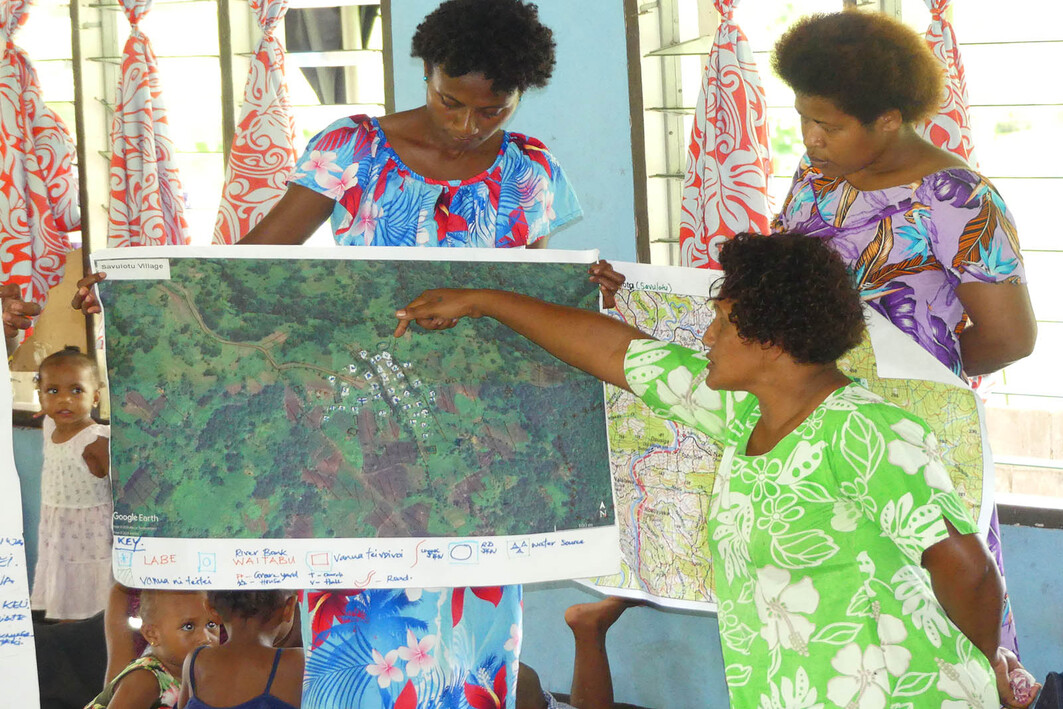
Momentum for the initiative was highlighted during the SPREP-PPIN Regional Reflection Event, held in Fiji and reported on 14 July 2026, where representatives from Fiji, Tonga, and Vanuatu reviewed progress and discussed the next phase of NbS implementation across the Pacific. Participants emphasized that nature-based solutions are not new concepts but build upon traditional Pacific practices of environmental management and ecosystem stewardship.
During the event, officials called for stronger financing mechanisms, improved policy coordination, enhanced technical capacity, and better monitoring systems to support implementation at scale. Countries also identified biodiversity finance, pilot projects, and continued regional cooperation as priorities for accelerating the adoption of NbS across the region.
"One of the clearest lessons emerging from PPIN is that Fiji, Tonga, and Vanuatu are not starting from zero," said SPREP PPIN Coordinator Utulei Lui, noting that the next challenge is strengthening policies, partnerships, institutions, and financing needed to translate recognition of NbS into action.
Together, the Resource Hub and the PPIN initiative reflect a broader shift among Pacific Small Island Developing States from building awareness of nature-based solutions to implementing them as core tools for climate adaptation, biodiversity conservation, and sustainable livelihoods.
PACIFIC NATURE-BASED SOLUTIONS RESOURCE HUB